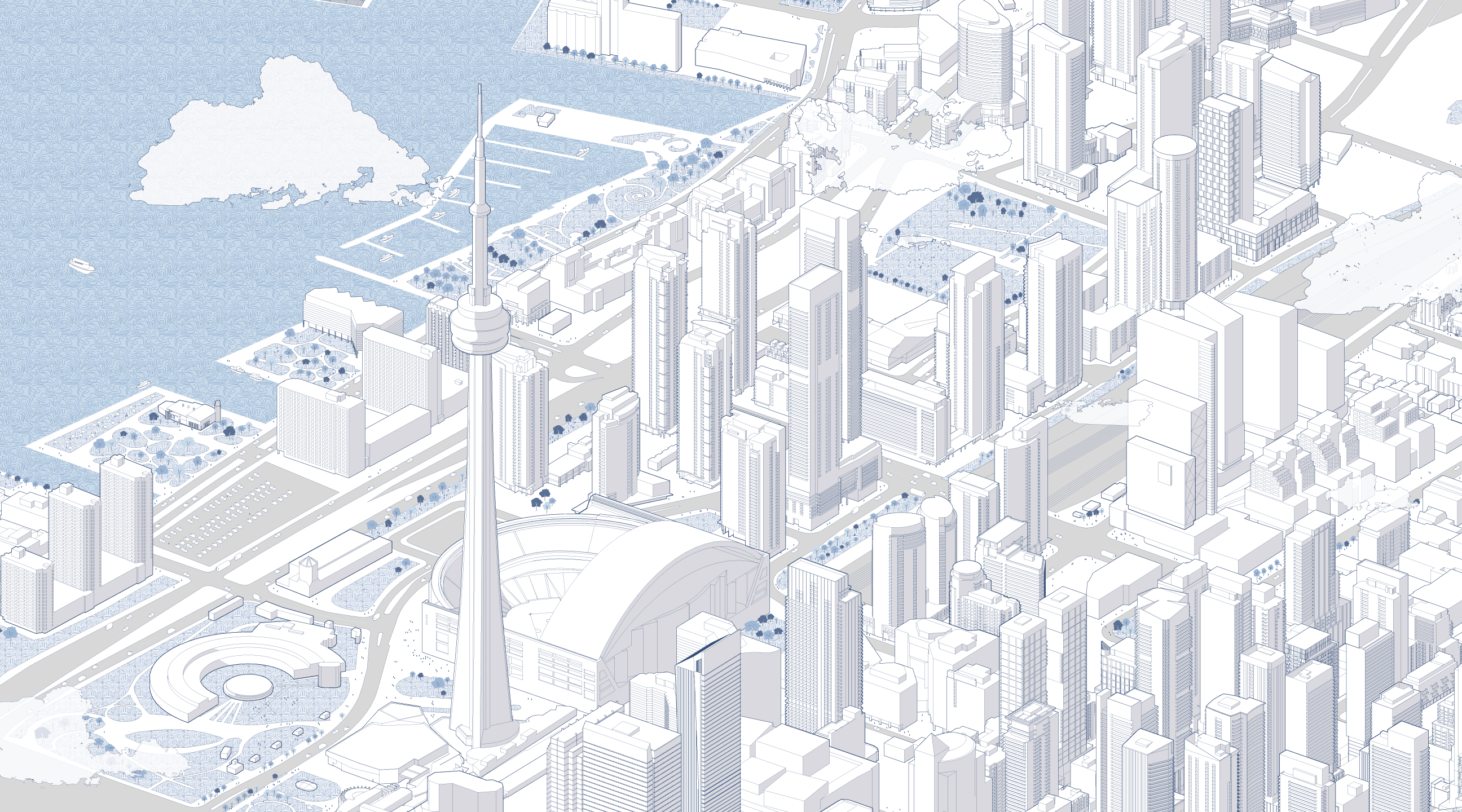
Preliminary Preparation
The best preparation you can do starts now! Your building will continue to age as time goes by, and the longer your board delays preparing for the future, the closer the need for serious repairs and replacement becomes. The condominium model of ownership is a kind of collective ownership that relies on internal governance to deal with maintenance, so be prepared to communicate and collaborate with other homeowners within your building.
One of the most common concerns brought up when discussing renovations is cost. The thought of funding expensive building repairs can be stressful, but the sooner your board begins to prepare, the less impact your wallet will feel when it comes time to enact a repair.
The best preparation you can do starts now! Your building will continue to age as time goes by, and the longer your board delays preparing for the future, the closer the need for serious repairs and replacement becomes. The condominium model of ownership is a kind of collective ownership that relies on internal governance to deal with maintenance, so be prepared to communicate and collaborate with other homeowners within your building.
One of the most common concerns brought up when discussing renovations is cost. The thought of funding expensive building repairs can be stressful, but the sooner your board begins to prepare, the less impact your wallet will feel when it comes time to enact a repair.
The best preparation you can do starts now! Your building will continue to age as time goes by, and the longer your board delays preparing for the future, the closer the need for serious repairs and replacement becomes. The condominium model of ownership is a kind of collective ownership that relies on internal governance to deal with maintenance, so be prepared to communicate and collaborate with other homeowners within your building.
One of the most common concerns brought up when discussing renovations is cost. The thought of funding expensive building repairs can be stressful, but the sooner your board begins to prepare, the less impact your wallet will feel when it comes time to enact a repair.

Where Do I Start?
Where Do I Start?
Where Do I Start?
Where Do I Start?
The best preparation you can do starts now! Your building will continue to age as time goes by, and the longer your board delays preparing for the future, the closer the need for serious repairs and replacement becomes. The condominium model of ownership is a kind of collective ownership that relies on internal governance to deal with maintenance, so be prepared to communicate and collaborate with other homeowners within your building.
One of the most common concerns brought up when discussing renovations is cost. The thought of funding expensive building repairs can be stressful, but the sooner your board begins to prepare, the less impact your wallet will feel when it comes time to enact a repair.
Condominium Action
This is arguably the most critical step towards planning a renovation in your building. Any changes to existing building governance requires motions and bylaws be passed internally, with minimum quorum requirements varying depending on the motions being passed.
Periodic reserve fund studies are a required by your board/ These studies are intended to assess how healthy your reserve fund is by analyzing it against future contributions and the expected cost of regular maintenance and scheduled replacement of building components. Importantly, reserve fund studies commonly assume that your building components will be replaced with the same or similar component when it reaches the end of its useful life. This may not account for the costs associated with a substantial improvement to your building façade. An enhanced reserve fund can build these costs into your reserve fund plan, though it may suggest an increase to reserve fund contributions to meet those costs.
Approving either an enhanced reserve fund study or an increase to reserve fund contributions requires approval from your condominium board. Typically, quorum to hold this meeting requires 25% of homeowners be in attendance, and a successful vote requires a majority of those members in approval. In the future, it should be noted that the approval required to enact a substantial improvement to the common elements of your building will require approval from 2/3 of all homeowners in your condominium.
Assess Your Assets
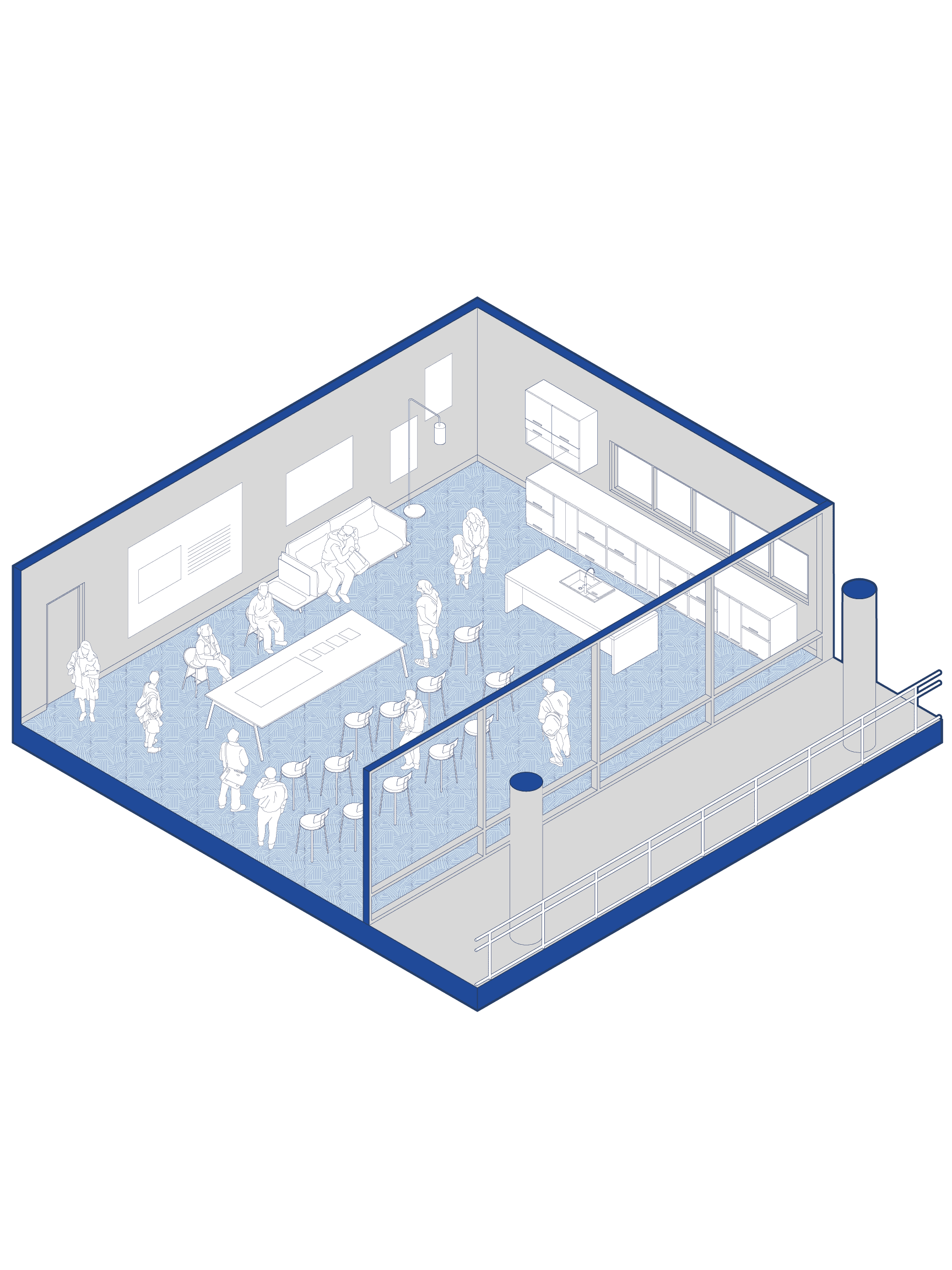
Depending on which renovation scenario you're interested in pursuing for your building, you may see a large number of residents displaced from the building for the duration of construction. This can understandably be unpleasant or disruptive, so it's critical to start thinking about where those residents will go.
Your building may have been designed with a number of guest suites which might be utilized for temporary housing of building residents. Moving a few floors away from your home is likely a preferable alternative to finding a short-term lease of hotel.
Alternatively, many high-rise condominium buildings were designed with additional amenities like party rooms or gyms. If these facilities are underutilized or in need or repair, you may want to consider retrofitting these spaces into suites. Not only would this alleviate the future pressures of resident displacement, it can provide an additional source of revenue for the board after those renovations are performed.
External Housing
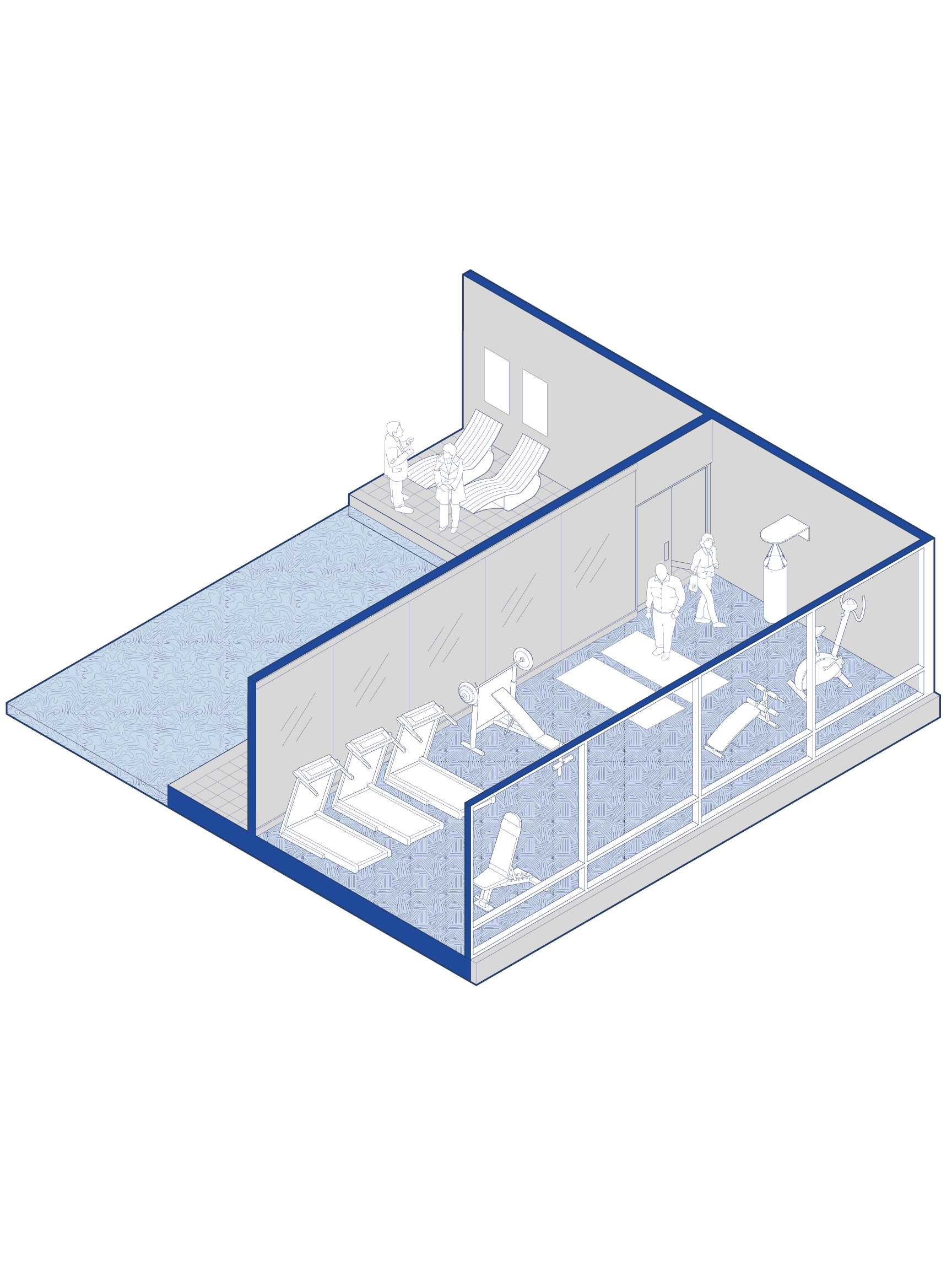
For many residents displaced during construction, external housing may come at considerable cost. Projecting the costs associated with temporary housing for all residents seem daunting, but regardless of whether you pursue a substantial improvement to your façade, or plan to replace it with what you have already, displacement is a sure thing.
In certain renovations scenarios where façade components are removed, you can expect to experience resident displacement. Even the balcony renovation improvements may require clearing out suites depending on discussions with design professionals and contractors. Rough estimates for how long you might expect residents to be displaced ranges between a week or two to up to a month. The phasing of your façade improvements may also dictate whether everyone in the building has to leave for the entire construction period, or residents need to leave only when work is being done to their floor.
Your building may have units ranging in the hundreds up to over a thousand, and moving everyone to a hotel can be financially prohibitive, so it's important to assess what space you already have in house beforehand to potentially mitigate these costs.
Site Constraints
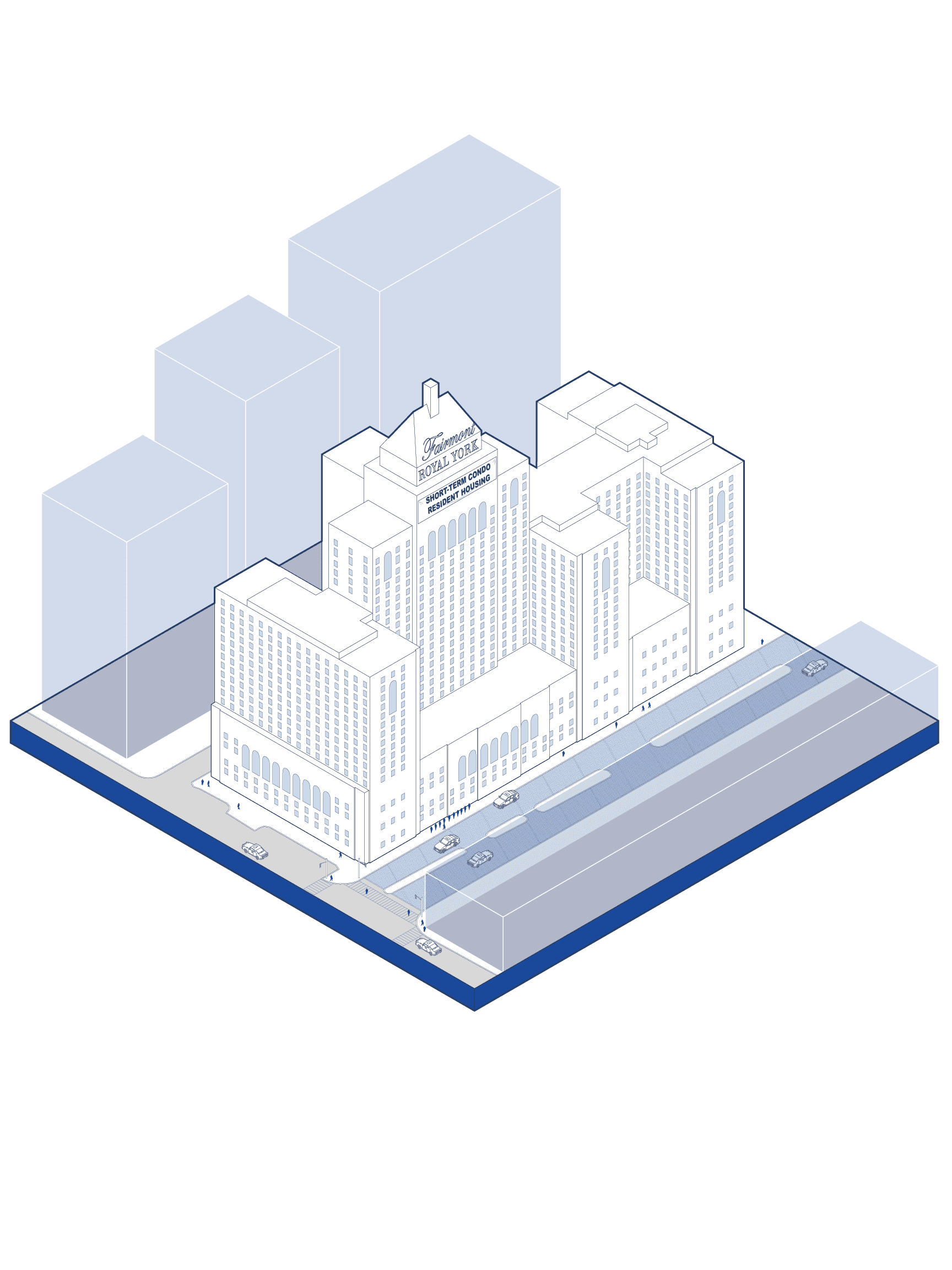
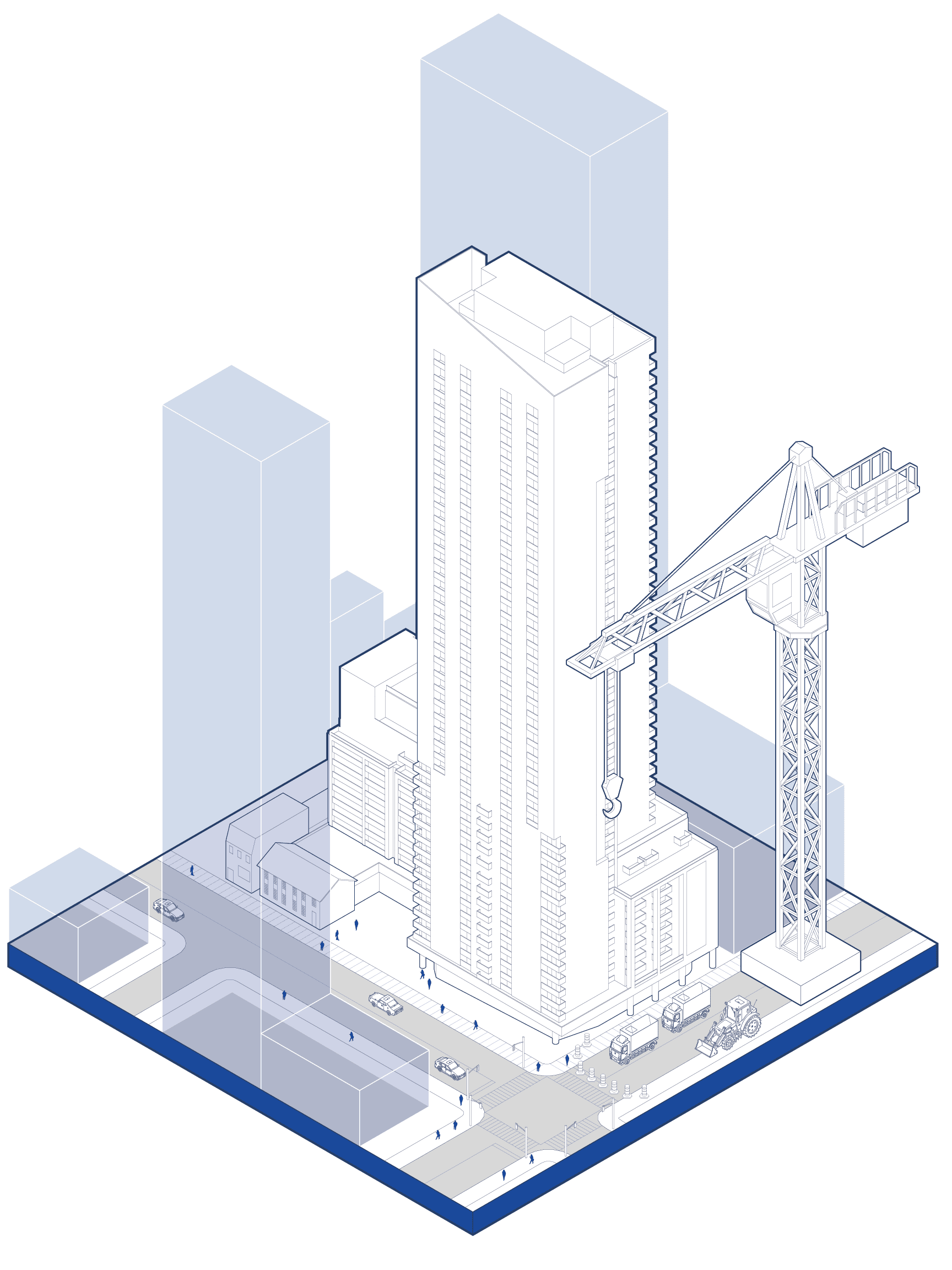
The space around your building is just as important as it's envelope when considering a substantial renovation. Most renovation scenarios outlined on this website require some form of exterior scaffolding system to allow construction worker to operate on the façade.
Mast climbers are scaffolding systems set up along the height on your building and tied into its face for structural support. These require that space at the base of your building be allocated as a construction zone. For most renovation scenarios that involve the removal of your existing façade and application of a new one, a mast climber is a must.
Swing stages are smaller scaffolding systems tied in to the roof of your building, allowing workers to descend along the face of the building. While these may not need additional infrastructure at the base of your building, you will still need enough space below section off for construction activities.
Cranes can be implemented as dedicated towers, moveable truck cranes, or low-profile rooftop cranes. Not all of these solutions will be available to you when planning a renovation, so be sure to consult with your contractors.
Sites immediately adjacent to busy streets present a serious concern when considering that temporary infrastructure needs to be erected for the duration of construction. This may require you apply for additional street closure permits through your municipal permit office.
Speak with Professionals
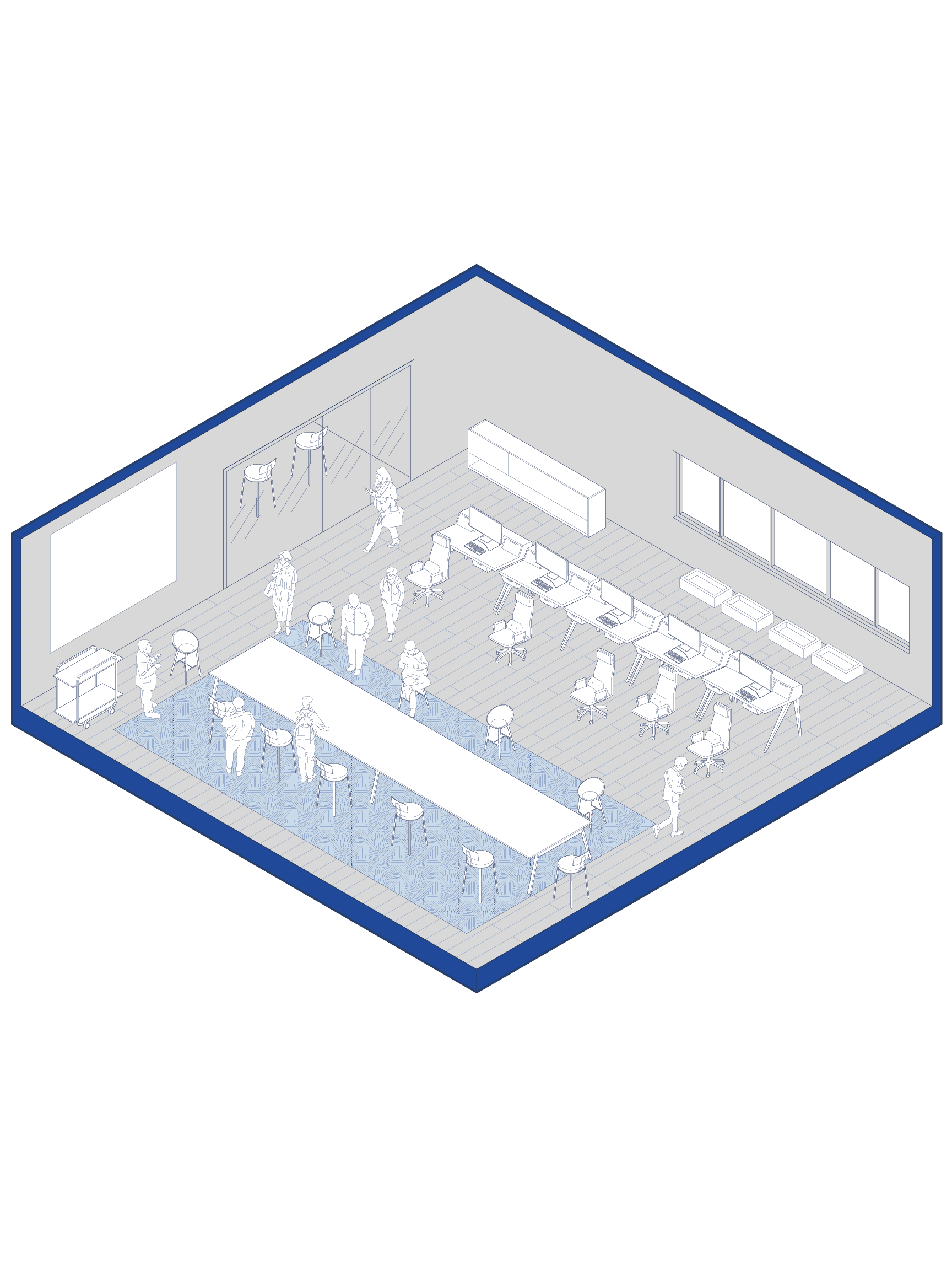
The renovation scenarios outlined on this website are schematic in nature, and your building may have unique constraints that determine what renovations are feasible. The design professionals you plan to work with will be invaluable towards developing a solution best suited to your financial, performance, and maintenance needs.
Speaking with an architect and building science consultant early on might give you a better picture of what your funding goals can achieve. Not only can this give you a better picture of your buildings future, early schematic designs can stoke interest among condominium board members around what a substantial renovation can look like. Discussing increases in reserve fund contributions among condominium board members might be easier if you have exciting visualizations of your goals.
Discussions with your designers early on can also make future repair and maintenance easier. Window wall façade systems can be designed in a way that makes maintenance difficult, making exterior insulation inaccessible unless the entire envelope is removed, or creating too many interfaces that allow air and moisture to penetrate your building. Many of these issues can be avoided with early consideration of regular maintenance and repair.
External Support
Undertaking any renovation to a high-rise condominium is a considerable endeavor, both financially and logistically, but there may be supports in place to aid you in this process.
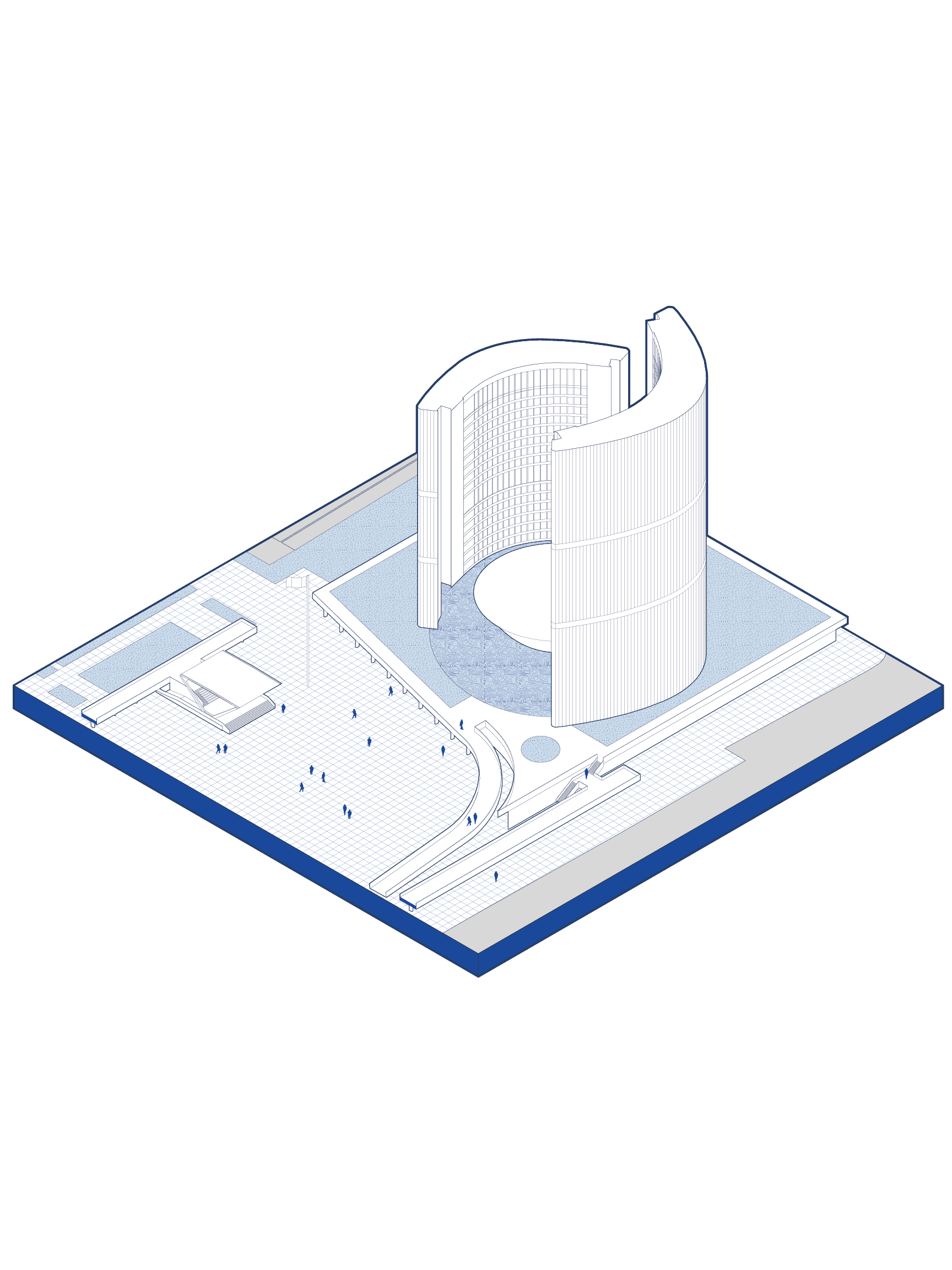
Municipal, provincial, and federal levels of governance often have grants or low-interest loans available for homeowners looking to pursue building improvements that reduce the energy use. In Toronto, there are several programs that may be accessible to your building. The Better Buildings Partnership was developed to give homeowners the tools they may need to support reductions in carbon emissions, and is worth exploring with your board. Additionally, the High-Rise Retrofit Improvement Support Program (Hi-RIS) provides financing options for residential building owners, though it's eligibility may not cover the condominium ownership model at this time.
The Atmospheric Fund (TAF) is a regional climate agency for the Greater Toronto Area providing support for low-carbon climate strategies in the built environment, and has already provided financial support for various renovation projects in the region.
While the eligibility for some of these programs may not yet include condominium boards seeking to pursue substantial renovations, it's important to note that the demand will be there in the near future. In the interim, reach out to your local government councillors and parliament representatives to communicate the needs of your building to enact change.
Plan Your Renovation
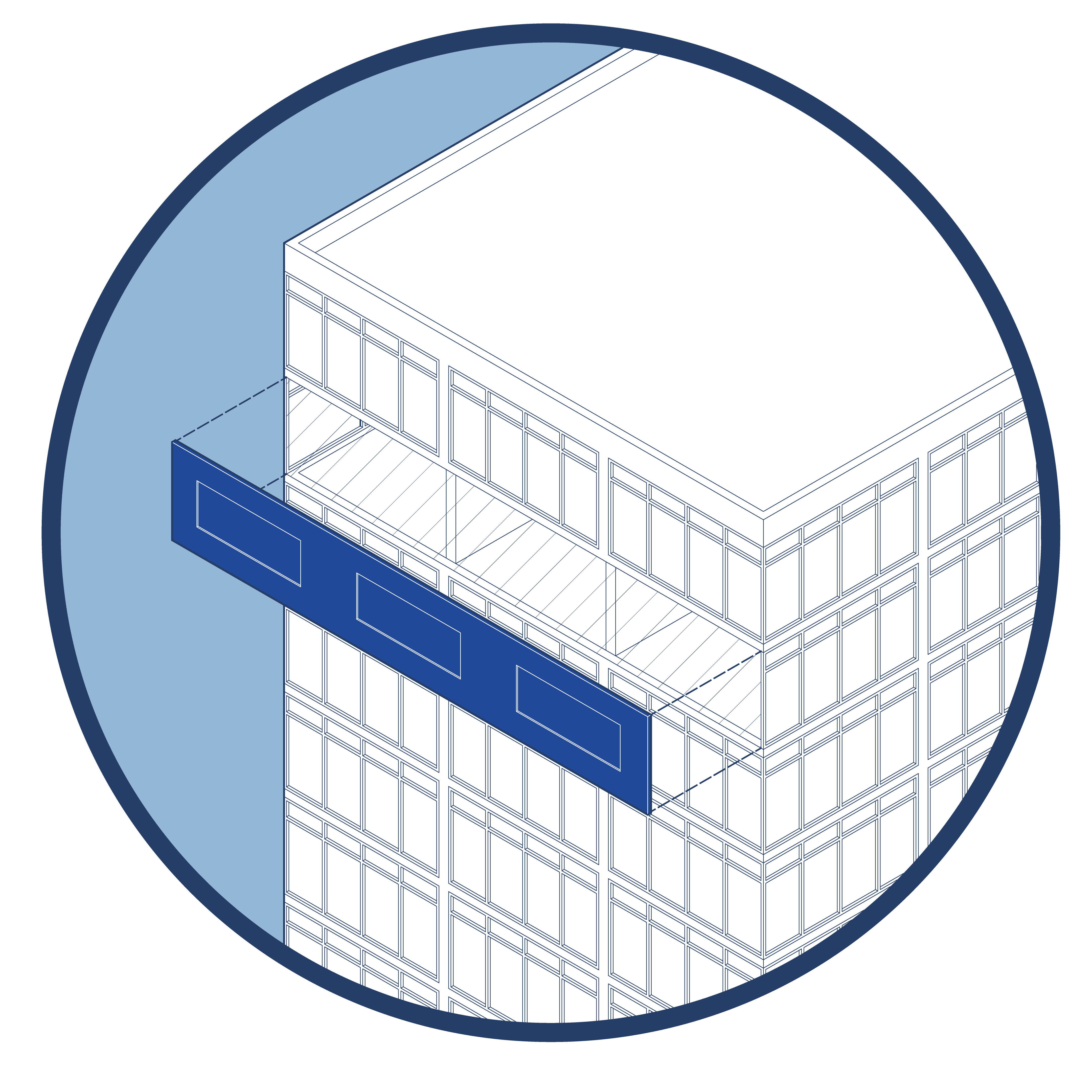
Understanding what logistical constraints accompany certain renovation scenarios will help you plan a smooth construction process. Figuring out whether resident displacement is a sure thing, or if you'll need to apply for street occupation permits to conduct your renovation will help you plan a smooth transition to an improved building.
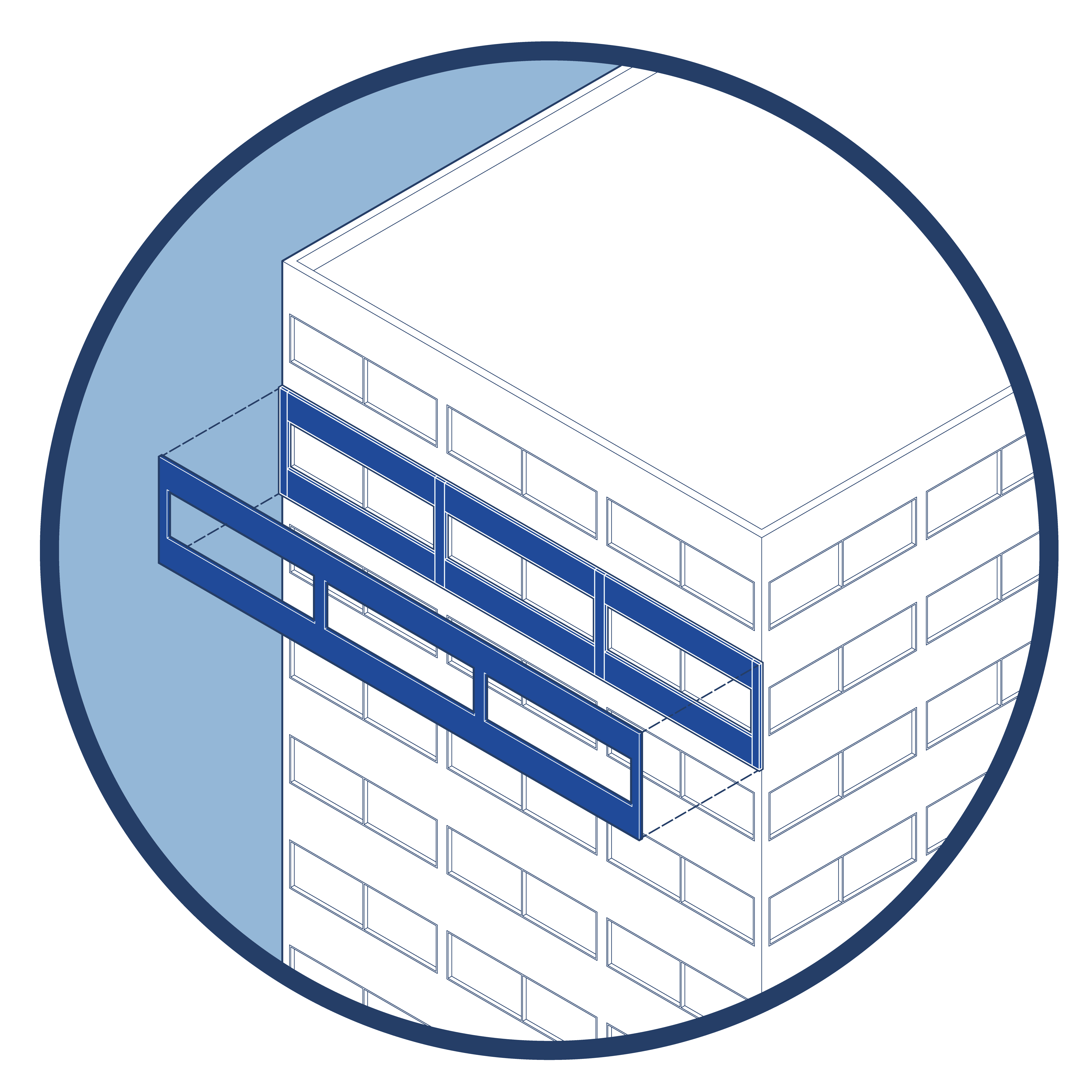
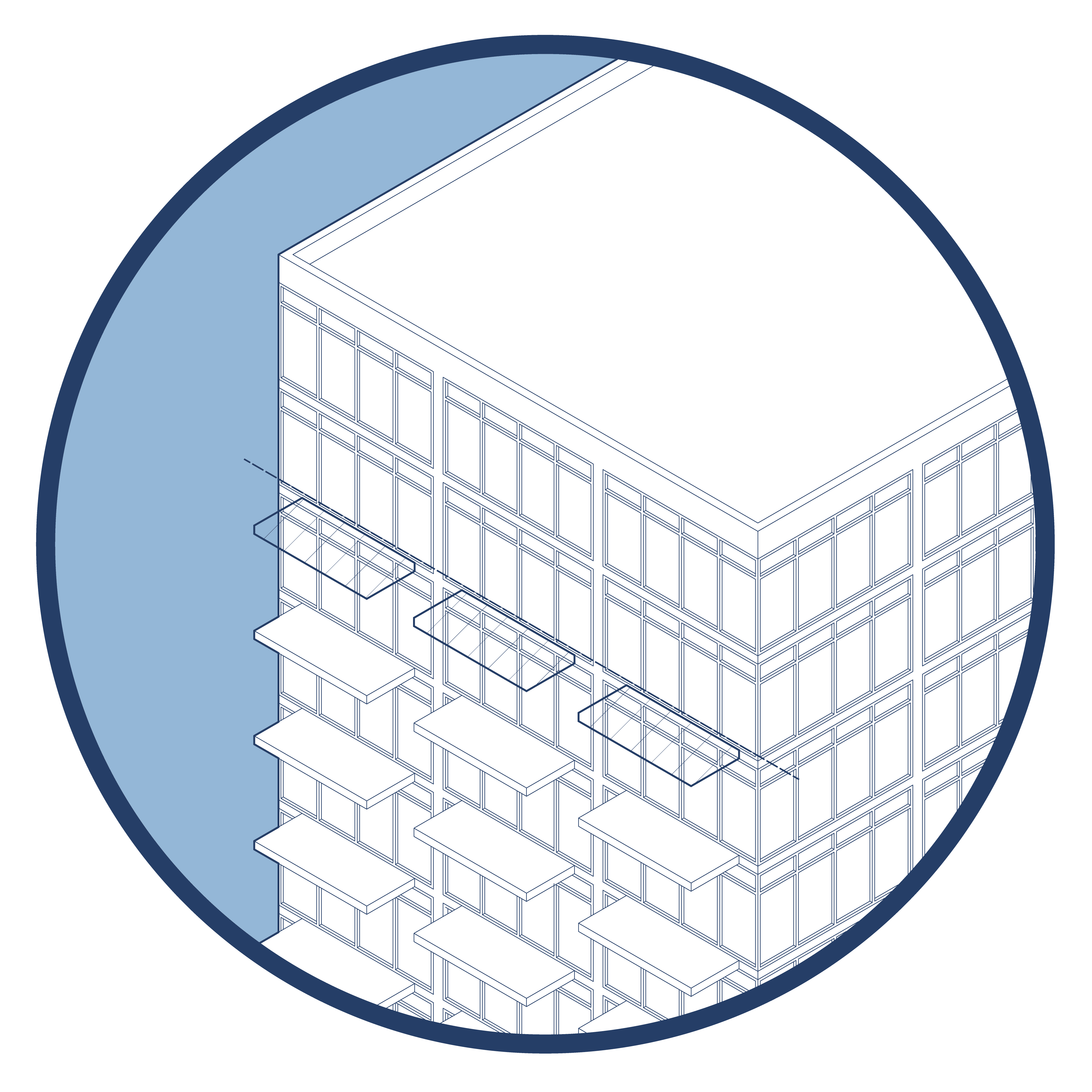
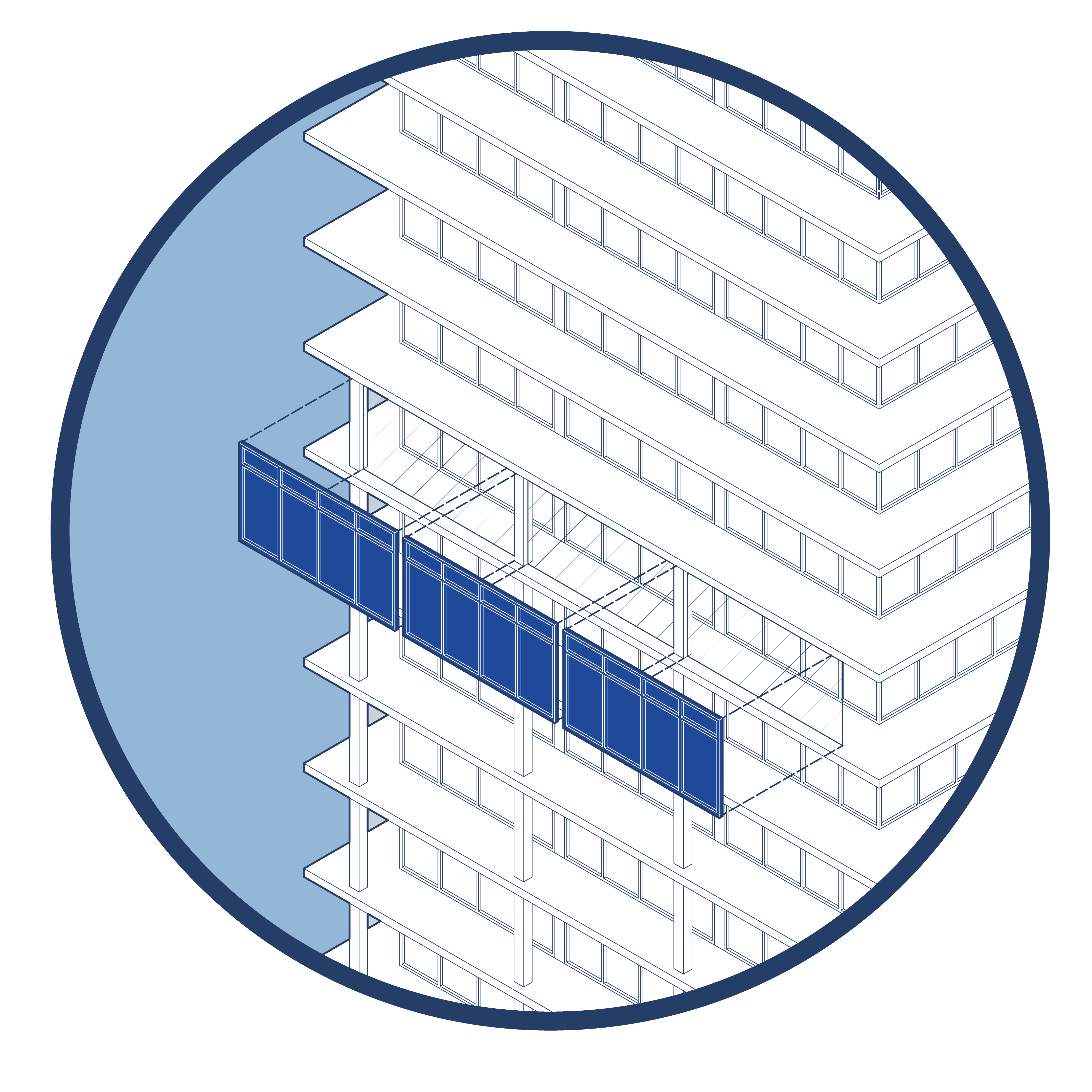
The renovation scenarios listed below provide a schematic overview of the construction stages implied by the renovation type. Your building envelope may look a little different from the images provided, but these stages are likely to occur in each scenario.
Additionally, a number of high-rise condominiums in the Toronto area have been included on this website with information about which renovation scenarios may be suitable
This is arguably the most critical step towards planning a renovation in your building. Any changes to existing building governance requires motions and bylaws be passed internally, with minimum quorum requirements varying depending on the motions being passed.
Periodic reserve fund studies are a required by your board/ These studies are intended to assess how healthy your reserve fund is by analyzing it against future contributions and the expected cost of regular maintenance and scheduled replacement of building components. Importantly, reserve fund studies commonly assume that your building components will be replaced with the same or similar component when it reaches the end of its useful life. This may not account for the costs associated with a substantial improvement to your building façade. An enhanced reserve fund can build these costs into your reserve fund plan, though it may suggest an increase to reserve fund contributions to meet those costs.
Approving either an enhanced reserve fund study or an increase to reserve fund contributions requires approval from your condominium board. Typically, quorum to hold this meeting requires 25% of homeowners be in attendance, and a successful vote requires a majority of those members in approval. In the future, it should be noted that the approval required to enact a substantial improvement to the common elements of your building will require approval from 2/3 of all homeowners in your condominium.
This is arguably the most critical step towards planning a renovation in your building. Any changes to existing building governance requires motions and bylaws be passed internally, with minimum quorum requirements varying depending on the motions being passed.
Periodic reserve fund studies are a required by your board/ These studies are intended to assess how healthy your reserve fund is by analyzing it against future contributions and the expected cost of regular maintenance and scheduled replacement of building components. Importantly, reserve fund studies commonly assume that your building components will be replaced with the same or similar component when it reaches the end of its useful life. This may not account for the costs associated with a substantial improvement to your building façade. An enhanced reserve fund can build these costs into your reserve fund plan, though it may suggest an increase to reserve fund contributions to meet those costs.
Approving either an enhanced reserve fund study or an increase to reserve fund contributions requires approval from your condominium board. Typically, quorum to hold this meeting requires 25% of homeowners be in attendance, and a successful vote requires a majority of those members in approval. In the future, it should be noted that the approval required to enact a substantial improvement to the common elements of your building will require approval from 2/3 of all homeowners in your condominium.
This is arguably the most critical step towards planning a renovation in your building. Any changes to existing building governance requires motions and bylaws be passed internally, with minimum quorum requirements varying depending on the motions being passed.
Periodic reserve fund studies are a required by your board/ These studies are intended to assess how healthy your reserve fund is by analyzing it against future contributions and the expected cost of regular maintenance and scheduled replacement of building components. Importantly, reserve fund studies commonly assume that your building components will be replaced with the same or similar component when it reaches the end of its useful life. This may not account for the costs associated with a substantial improvement to your building façade. An enhanced reserve fund can build these costs into your reserve fund plan, though it may suggest an increase to reserve fund contributions to meet those costs.
Approving either an enhanced reserve fund study or an increase to reserve fund contributions requires approval from your condominium board. Typically, quorum to hold this meeting requires 25% of homeowners be in attendance, and a successful vote requires a majority of those members in approval. In the future, it should be noted that the approval required to enact a substantial improvement to the common elements of your building will require approval from 2/3 of all homeowners in your condominium.
Condominium Action
Condominium Action
Condominium Action
Depending on which renovation scenario you're interested in pursuing for your building, you may see a large number of residents displaced from the building for the duration of construction. This can understandably be unpleasant or disruptive, so it's critical to start thinking about where those residents will go.
Your building may have been designed with a number of guest suites which might be utilized for temporary housing of building residents. Moving a few floors away from your home is likely a preferable alternative to finding a short-term lease of hotel.
Alternatively, many high-rise condominium buildings were designed with additional amenities like party rooms or gyms. If these facilities are underutilized or in need or repair, you may want to consider retrofitting these spaces into suites. Not only would this alleviate the future pressures of resident displacement, it can provide an additional source of revenue for the board after those renovations are performed.
Depending on which renovation scenario you're interested in pursuing for your building, you may see a large number of residents displaced from the building for the duration of construction. This can understandably be unpleasant or disruptive, so it's critical to start thinking about where those residents will go.
Your building may have been designed with a number of guest suites which might be utilized for temporary housing of building residents. Moving a few floors away from your home is likely a preferable alternative to finding a short-term lease of hotel.
Alternatively, many high-rise condominium buildings were designed with additional amenities like party rooms or gyms. If these facilities are underutilized or in need or repair, you may want to consider retrofitting these spaces into suites. Not only would this alleviate the future pressures of resident displacement, it can provide an additional source of revenue for the board after those renovations are performed.
Depending on which renovation scenario you're interested in pursuing for your building, you may see a large number of residents displaced from the building for the duration of construction. This can understandably be unpleasant or disruptive, so it's critical to start thinking about where those residents will go.
Your building may have been designed with a number of guest suites which might be utilized for temporary housing of building residents. Moving a few floors away from your home is likely a preferable alternative to finding a short-term lease of hotel.
Alternatively, many high-rise condominium buildings were designed with additional amenities like party rooms or gyms. If these facilities are underutilized or in need or repair, you may want to consider retrofitting these spaces into suites. Not only would this alleviate the future pressures of resident displacement, it can provide an additional source of revenue for the board after those renovations are performed.
Assess Your Assets
Assess Your Assets
Assess Your Assets
For many residents displaced during construction, external housing may come at considerable cost. Projecting the costs associated with temporary housing for all residents seem daunting, but regardless of whether you pursue a substantial improvement to your façade, or plan to replace it with what you have already, displacement is a sure thing.
In certain renovations scenarios where façade components are removed, you can expect to experience resident displacement. Even the balcony renovation improvements may require clearing out suites depending on discussions with design professionals and contractors. Rough estimates for how long you might expect residents to be displaced ranges between a week or two to up to a month. The phasing of your façade improvements may also dictate whether everyone in the building has to leave for the entire construction period, or residents need to leave only when work is being done to their floor.
Your building may have units ranging in the hundreds up to over a thousand, and moving everyone to a hotel can be financially prohibitive, so it's important to assess what space you already have in house beforehand to potentially mitigate these costs.
For many residents displaced during construction, external housing may come at considerable cost. Projecting the costs associated with temporary housing for all residents seem daunting, but regardless of whether you pursue a substantial improvement to your façade, or plan to replace it with what you have already, displacement is a sure thing.
In certain renovations scenarios where façade components are removed, you can expect to experience resident displacement. Even the balcony renovation improvements may require clearing out suites depending on discussions with design professionals and contractors. Rough estimates for how long you might expect residents to be displaced ranges between a week or two to up to a month. The phasing of your façade improvements may also dictate whether everyone in the building has to leave for the entire construction period, or residents need to leave only when work is being done to their floor.
Your building may have units ranging in the hundreds up to over a thousand, and moving everyone to a hotel can be financially prohibitive, so it's important to assess what space you already have in house beforehand to potentially mitigate these costs.
For many residents displaced during construction, external housing may come at considerable cost. Projecting the costs associated with temporary housing for all residents seem daunting, but regardless of whether you pursue a substantial improvement to your façade, or plan to replace it with what you have already, displacement is a sure thing.
In certain renovations scenarios where façade components are removed, you can expect to experience resident displacement. Even the balcony renovation improvements may require clearing out suites depending on discussions with design professionals and contractors. Rough estimates for how long you might expect residents to be displaced ranges between a week or two to up to a month. The phasing of your façade improvements may also dictate whether everyone in the building has to leave for the entire construction period, or residents need to leave only when work is being done to their floor.
Your building may have units ranging in the hundreds up to over a thousand, and moving everyone to a hotel can be financially prohibitive, so it's important to assess what space you already have in house beforehand to potentially mitigate these costs.
External Housing
External Housing
External Housing
The space around your building is just as important as it's envelope when considering a substantial renovation. Most renovation scenarios outlined on this website require some form of exterior scaffolding system to allow construction worker to operate on the façade.
Mast climbers are scaffolding systems set up along the height on your building and tied into its face for structural support. These require that space at the base of your building be allocated as a construction zone. For most renovation scenarios that involve the removal of your existing façade and application of a new one, a mast climber is a must.
Swing stages are smaller scaffolding systems tied in to the roof of your building, allowing workers to descend along the face of the building. While these may not need additional infrastructure at the base of your building, you will still need enough space below section off for construction activities.
Cranes can be implemented as dedicated towers, moveable truck cranes, or low-profile rooftop cranes. Not all of these solutions will be available to you when planning a renovation, so be sure to consult with your contractors.
Sites immediately adjacent to busy streets present a serious concern when considering that temporary infrastructure needs to be erected for the duration of construction. This may require you apply for additional street closure permits through your municipal permit office.
The space around your building is just as important as it's envelope when considering a substantial renovation. Most renovation scenarios outlined on this website require some form of exterior scaffolding system to allow construction worker to operate on the façade.
Mast climbers are scaffolding systems set up along the height on your building and tied into its face for structural support. These require that space at the base of your building be allocated as a construction zone. For most renovation scenarios that involve the removal of your existing façade and application of a new one, a mast climber is a must.
Swing stages are smaller scaffolding systems tied in to the roof of your building, allowing workers to descend along the face of the building. While these may not need additional infrastructure at the base of your building, you will still need enough space below section off for construction activities.
Cranes can be implemented as dedicated towers, moveable truck cranes, or low-profile rooftop cranes. Not all of these solutions will be available to you when planning a renovation, so be sure to consult with your contractors.
Sites immediately adjacent to busy streets present a serious concern when considering that temporary infrastructure needs to be erected for the duration of construction. This may require you apply for additional street closure permits through your municipal permit office.
The space around your building is just as important as it's envelope when considering a substantial renovation. Most renovation scenarios outlined on this website require some form of exterior scaffolding system to allow construction worker to operate on the façade.
Mast climbers are scaffolding systems set up along the height on your building and tied into its face for structural support. These require that space at the base of your building be allocated as a construction zone. For most renovation scenarios that involve the removal of your existing façade and application of a new one, a mast climber is a must.
Swing stages are smaller scaffolding systems tied in to the roof of your building, allowing workers to descend along the face of the building. While these may not need additional infrastructure at the base of your building, you will still need enough space below section off for construction activities.
Cranes can be implemented as dedicated towers, moveable truck cranes, or low-profile rooftop cranes. Not all of these solutions will be available to you when planning a renovation, so be sure to consult with your contractors.
Sites immediately adjacent to busy streets present a serious concern when considering that temporary infrastructure needs to be erected for the duration of construction. This may require you apply for additional street closure permits through your municipal permit office.
Site Constraints
Site Constraints
Site Constraints
Undertaking any renovation to a high-rise condominium is a considerable endeavor, both financially and logistically, but there may be supports in place to aid you in this process.
Municipal, provincial, and federal levels of governance often have grants or low-interest loans available for homeowners looking to pursue building improvements that reduce the energy use. In Toronto, there are several programs that may be accessible to your building. The Better Buildings Partnership was developed to give homeowners the tools they may need to support reductions in carbon emissions, and is worth exploring with your board. Additionally, the High-Rise Retrofit Improvement Support Program (Hi-RIS) provides financing options for residential building owners, though it's eligibility may not cover the condominium ownership model at this time.
The Atmospheric Fund (TAF) is a regional climate agency for the Greater Toronto Area providing support for low-carbon climate strategies in the built environment, and has already provided financial support for various renovation projects in the region.
While the eligibility for some of these programs may not yet include condominium boards seeking to pursue substantial renovations, it's important to note that the demand will be there in the near future. In the interim, reach out to your local government councillors and parliament representatives to communicate the needs of your building to enact change.
Undertaking any renovation to a high-rise condominium is a considerable endeavor, both financially and logistically, but there may be supports in place to aid you in this process.
Municipal, provincial, and federal levels of governance often have grants or low-interest loans available for homeowners looking to pursue building improvements that reduce the energy use. In Toronto, there are several programs that may be accessible to your building. The Better Buildings Partnership was developed to give homeowners the tools they may need to support reductions in carbon emissions, and is worth exploring with your board. Additionally, the High-Rise Retrofit Improvement Support Program (Hi-RIS) provides financing options for residential building owners, though it's eligibility may not cover the condominium ownership model at this time.
The Atmospheric Fund (TAF) is a regional climate agency for the Greater Toronto Area providing support for low-carbon climate strategies in the built environment, and has already provided financial support for various renovation projects in the region.
While the eligibility for some of these programs may not yet include condominium boards seeking to pursue substantial renovations, it's important to note that the demand will be there in the near future. In the interim, reach out to your local government councillors and parliament representatives to communicate the needs of your building to enact change.
Undertaking any renovation to a high-rise condominium is a considerable endeavor, both financially and logistically, but there may be supports in place to aid you in this process.
Municipal, provincial, and federal levels of governance often have grants or low-interest loans available for homeowners looking to pursue building improvements that reduce the energy use. In Toronto, there are several programs that may be accessible to your building. The Better Buildings Partnership was developed to give homeowners the tools they may need to support reductions in carbon emissions, and is worth exploring with your board. Additionally, the High-Rise Retrofit Improvement Support Program (Hi-RIS) provides financing options for residential building owners, though it's eligibility may not cover the condominium ownership model at this time.
The Atmospheric Fund (TAF) is a regional climate agency for the Greater Toronto Area providing support for low-carbon climate strategies in the built environment, and has already provided financial support for various renovation projects in the region.
While the eligibility for some of these programs may not yet include condominium boards seeking to pursue substantial renovations, it's important to note that the demand will be there in the near future. In the interim, reach out to your local government councillors and parliament representatives to communicate the needs of your building to enact change.
External Support
External Support
External Support
The renovation scenarios outlined on this website are schematic in nature, and your building may have unique constraints that determine what renovations are feasible. The design professionals you plan to work with will be invaluable towards developing a solution best suited to your financial, performance, and maintenance needs.
Speaking with an architect and building science consultant early on might give you a better picture of what your funding goals can achieve. Not only can this give you a better picture of your buildings future, early schematic designs can stoke interest among condominium board members around what a substantial renovation can look like. Discussing increases in reserve fund contributions among condominium board members might be easier if you have exciting visualizations of your goals.
Discussions with your designers early on can also make future repair and maintenance easier. Window wall façade systems can be designed in a way that makes maintenance difficult, making exterior insulation inaccessible unless the entire envelope is removed, or creating too many interfaces that allow air and moisture to penetrate your building. Many of these issues can be avoided with early consideration of regular maintenance and repair.
The renovation scenarios outlined on this website are schematic in nature, and your building may have unique constraints that determine what renovations are feasible. The design professionals you plan to work with will be invaluable towards developing a solution best suited to your financial, performance, and maintenance needs.
Speaking with an architect and building science consultant early on might give you a better picture of what your funding goals can achieve. Not only can this give you a better picture of your buildings future, early schematic designs can stoke interest among condominium board members around what a substantial renovation can look like. Discussing increases in reserve fund contributions among condominium board members might be easier if you have exciting visualizations of your goals.
Discussions with your designers early on can also make future repair and maintenance easier. Window wall façade systems can be designed in a way that makes maintenance difficult, making exterior insulation inaccessible unless the entire envelope is removed, or creating too many interfaces that allow air and moisture to penetrate your building. Many of these issues can be avoided with early consideration of regular maintenance and repair.
The renovation scenarios outlined on this website are schematic in nature, and your building may have unique constraints that determine what renovations are feasible. The design professionals you plan to work with will be invaluable towards developing a solution best suited to your financial, performance, and maintenance needs.
Speaking with an architect and building science consultant early on might give you a better picture of what your funding goals can achieve. Not only can this give you a better picture of your buildings future, early schematic designs can stoke interest among condominium board members around what a substantial renovation can look like. Discussing increases in reserve fund contributions among condominium board members might be easier if you have exciting visualizations of your goals.
Discussions with your designers early on can also make future repair and maintenance easier. Window wall façade systems can be designed in a way that makes maintenance difficult, making exterior insulation inaccessible unless the entire envelope is removed, or creating too many interfaces that allow air and moisture to penetrate your building. Many of these issues can be avoided with early consideration of regular maintenance and repair.
Speak with Professionals
Speak with Professionals
Speak with Professionals
Understanding what logistical constraints accompany certain renovation scenarios will help you plan a smooth construction process. Figuring out whether resident displacement is a sure thing, or if you'll need to apply for street occupation permits to conduct your renovation will help you plan a smooth transition to an improved building.
The renovation scenarios listed below provide a schematic overview of the construction stages implied by the renovation type. Your building envelope may look a little different from the images provided, but these stages are likely to occur in each scenario.
Additionally, a number of high-rise condominiums in the Toronto area have been included on this website with information about which renovation scenarios may be suitable.
Understanding what logistical constraints accompany certain renovation scenarios will help you plan a smooth construction process. Figuring out whether resident displacement is a sure thing, or if you'll need to apply for street occupation permits to conduct your renovation will help you plan a smooth transition to an improved building.
The renovation scenarios listed below provide a schematic overview of the construction stages implied by the renovation type. Your building envelope may look a little different from the images provided, but these stages are likely to occur in each scenario.
Additionally, a number of high-rise condominiums in the Toronto area have been included on this website with information about which renovation scenarios may be suitable.
Understanding what logistical constraints accompany certain renovation scenarios will help you plan a smooth construction process. Figuring out whether resident displacement is a sure thing, or if you'll need to apply for street occupation permits to conduct your renovation will help you plan a smooth transition to an improved building.
The renovation scenarios listed below provide a schematic overview of the construction stages implied by the renovation type. Your building envelope may look a little different from the images provided, but these stages are likely to occur in each scenario.
Additionally, a number of high-rise condominiums in the Toronto area have been included on this website with information about which renovation scenarios may be suitable.
Plan Your Renovation
Plan Your Renovation
Plan Your Renovation


Find Your Building
Several high-rise condominium buildings in the Toronto area have been included on our mapping resource.
Find Your Building
Several high-rise condominium buildings in the Toronto area have been included on our mapping resource.
Find Your Building
Several high-rise condominium buildings in the Toronto area have been included on our mapping resource.

This website is an informational tool to provide condominium owners, municipal regulators, and designers with insights into the challenges associated with renovating high-rise condominiums.

This website is an informational tool to provide condominium owners, municipal regulators, and designers with insights into the challenges associated with renovating high-rise condominiums.
This website is an informational tool to provide condominium owners, municipal regulators, and designers with insights into the challenges associated with renovating high-rise condominiums.